


Redefining the In-Cabin Experience: Your Challenge, Our Focus
Today’s drivers expect more than just a ride—they demand a smart, intuitive, and comfortable in-cabin experience. From seamless human-machine interactions and personalized AI-driven features to superior acoustics, lighting, and climate control, expectations are higher than ever.
For automotive manufacturers, this means advanced testing and precise measurement are essential to ensure performance, safety, and compliance. Staying ahead requires rigorous validation in real-world conditions to meet evolving consumer expectations and industry standards.
Together with GRAS Sound & Vibration and Audio Precision, we offer you a comprehensive suite of applications needed to deliver upon expectations of your customers.

Incabin-Experience Use Case (GRAS)
Learn more about the advantages of 1/4" microphones for EV Measurements
Download the Whitepaper
Road Noise Testing
Road noise is an important noise source in EVs and constitutes approx. 40% of the entire sound field. In a traditional ICE, the noise from the powertrain will often mask the road noise. This of course is not the case in EVs. Road noise is an annoying interior noise in any vehicle, but in EVs often becomes a problem at lower speeds – often at an interval between 40-100 km/25-62 mph.
Important Aspects of Road Noise Testing
A vehicle test on a NVH test track typically includes two to four microphones inside the vehicle distributed between the driver's and passenger seats. External microphones with high-performance windshield or intensity probes with nose cones can be used for measurement of tire near-field noise. Impact noise is measured on a dedicated test track with impact bars.
Product Families
Testing HVAC Performance in Electric Vehicles (EVs)
Thermal management in electric vehicles (EVs) is a complex endeavour with various requirements. The operation of the air conditioning system, integrated into the Heating, Ventilation, and Air Conditioning (HVAC) framework, plays a vital role in this context. It aims to ensure passenger comfort and safety while also optimizing range.
Important Aspects of Temperature Testing:
- Battery cooling
- Cooling of electric drives
- The dual role of air conditioning
- Vehicle safets
Product Families
Application areas we support
Noise, Vibration, Harshness (NVH)
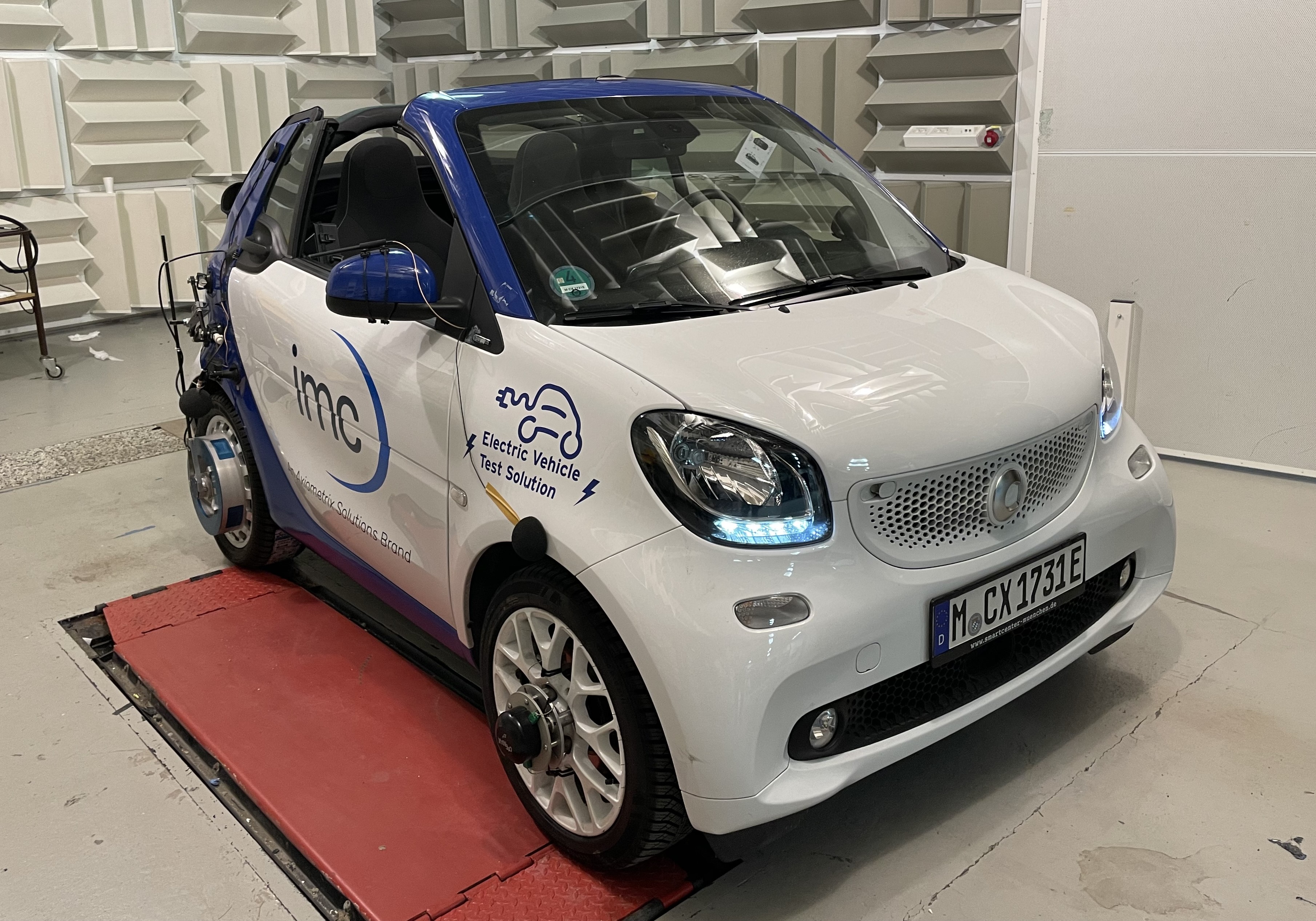
To ensure that vehicles meet the desired standards of comfort, performance, and overall quality, we measure and analyze vibrations, sound pressure and sound power and perform structural and order analysis.
Read moreInfotainment System
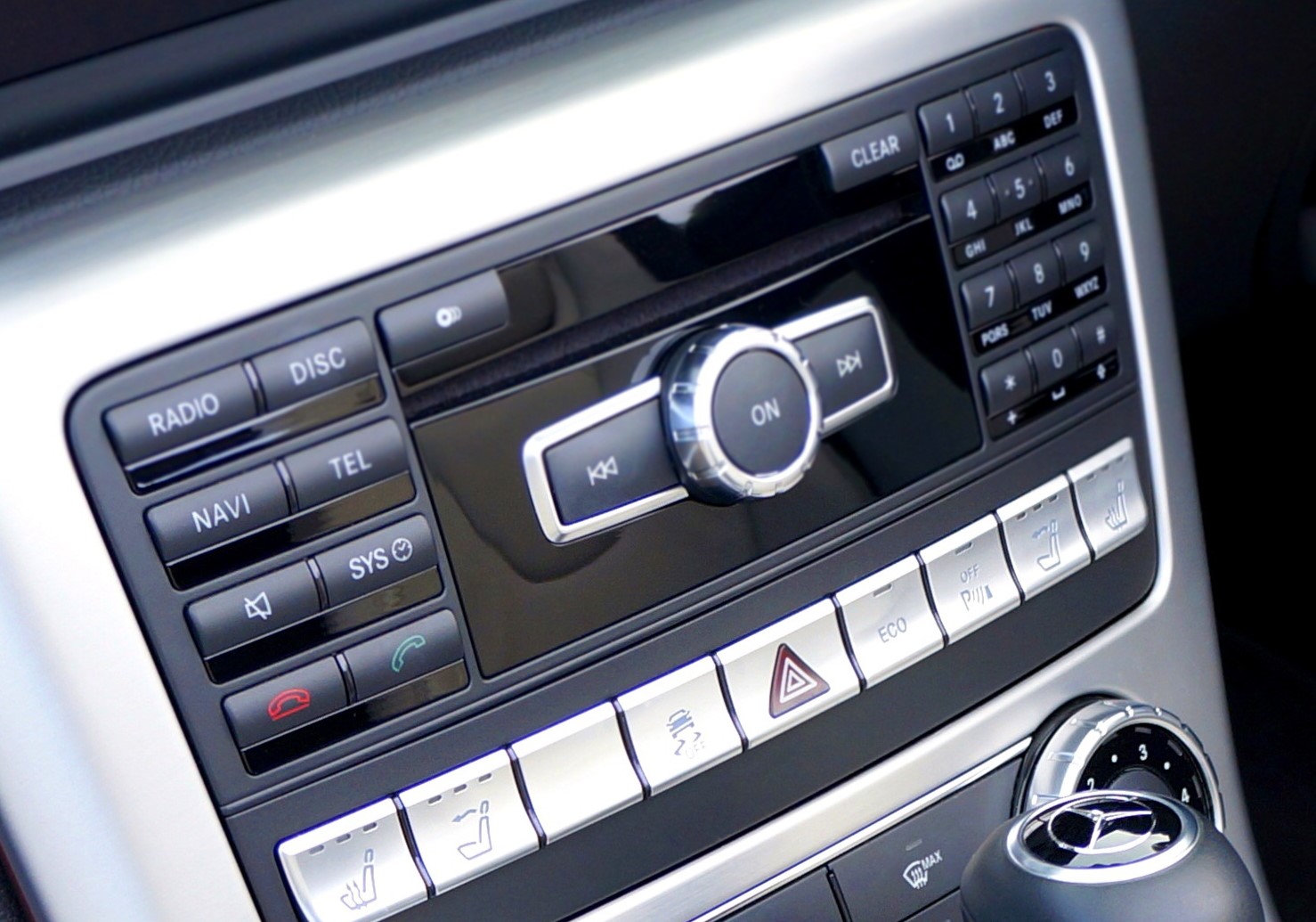
Testing of infotainment systems in vehicles include frequency response, sound field and sound quality. Furthermore, volume and equalization need to be measured and verified in combination with road noise measurement data.
Steering System
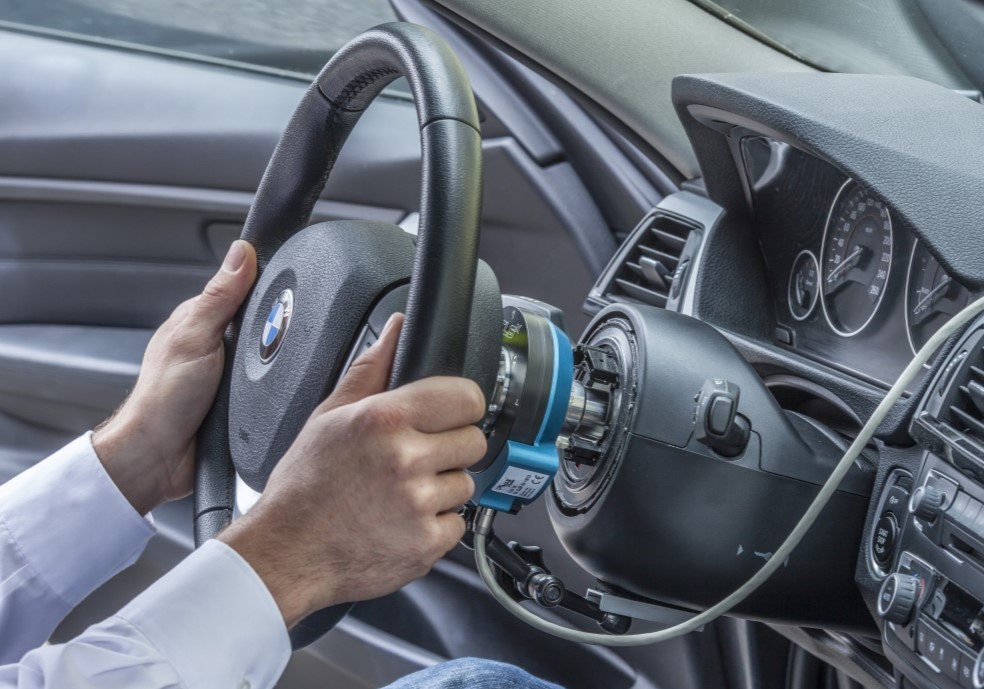
Vehicle steering system measurements are essential for ensuring that vehicles can be steered reliably and precisely under all conditions. To ensure the testing of a vehicle's steering behaviour is carried out to the required standard, safety and reproducibility are guaranteed by the use of imc's specialised sensor solutions.
Read moreBuzz, Squeak and Rattle Noise Testing

Noise such as buzz, squeaks, and rattles, even at low levels, can be audible due to their intermittent nature and low sound masking. Vehicles without buzz, squeaks, and rattles are associated with high quality – to achieve optimum results in testing, GRAS offers a range of measurement microphones.
Read moreTemperature Measurement

Temperature measurement in vehicle testing places high demands on accuracy, as even small deviations can lead to problems. Lack of space and high-voltage environments make it difficult to integrate suitable sensors, especially in electric vehicles. Despite these challenges, imc data acquisition systems provide accuracy and signal integrity, ensuring reliable measurements.
Read moreHVAC
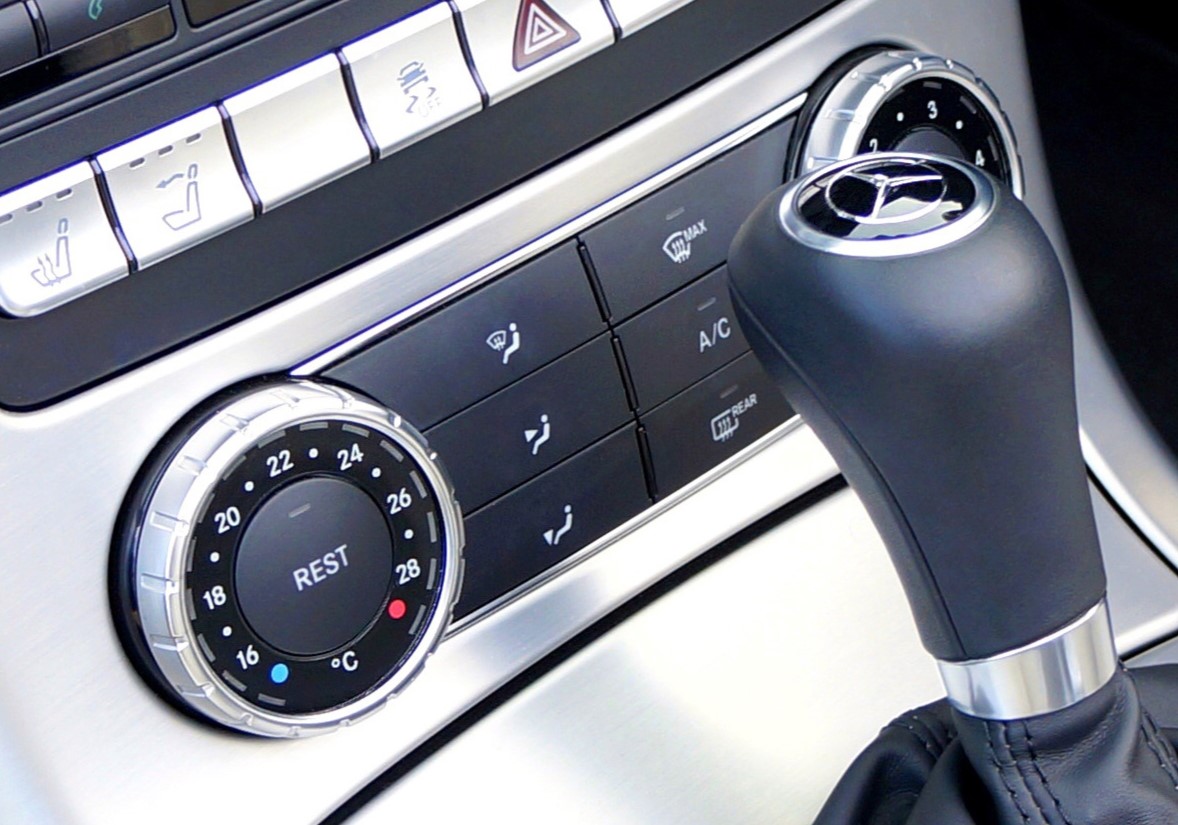
The operation of the air conditioning system plays a vital role in the context of thermal management in electric vehicles (EVs). It aims to ensure passenger comfort and safety while also optimizing range. To meet these goals, it is crucial to optimize energy efficiency, extend the battery life and ensure passenger safety by thorough testing.
Read moreIn-Cabin Connectivity

Optimising in-cabin connectivity takes place at many levels - from electronic amplifiers to BluetoothTM wireless transmission to acoustic quality, there are many aspects to consider. Suppliers and manufacturers rely on our test and measurement solutions from GRAS and Audio Precision.
Road Noise Testing
Road noise is a significant noise source in EVs, accounting for approximately. 40% of the entire sound field. This noise is generated by the interaction between the tyre tread and the road surface. Our test and measurement solution assists you in optimizing and validating your vehicle, thereby enhancing passenger comfort.
Read moreIn-Vehicle Acoustics
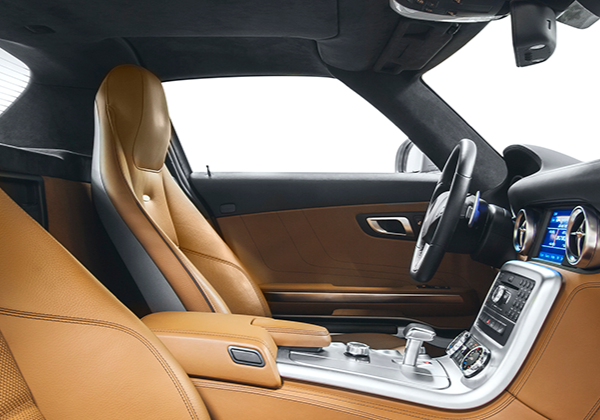
Infotainment, active noise cancellation, and better in-car communications continue to rise in demand. To master the challenges of testing in the non-ideal acoustic car cabin, we offer test solutions that are recommended for acoustic measurements in vehicle interiors.
Read moreInterior Vehicle Noise Testing
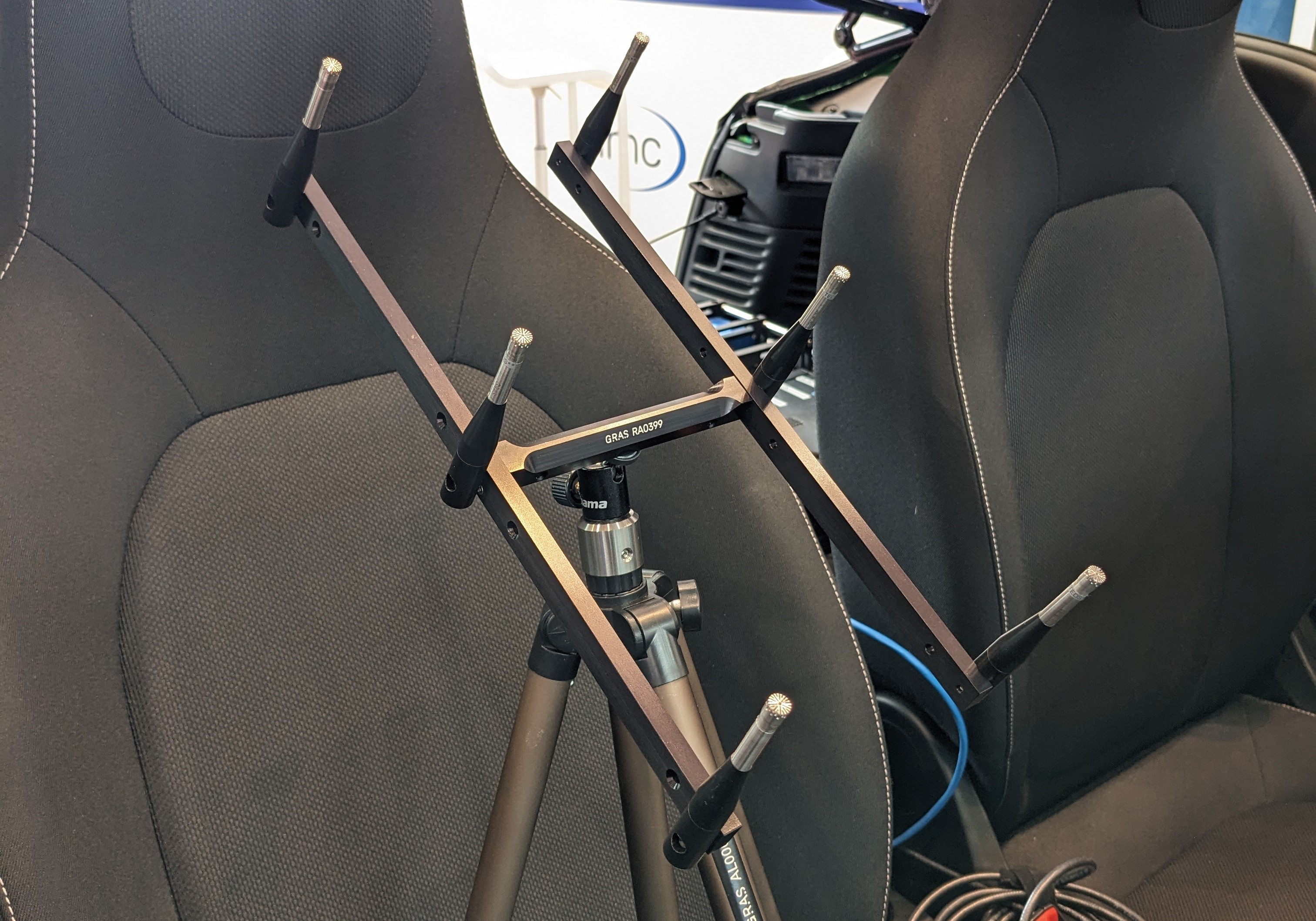
Vehicle interior noise, vibration and harshness (NVH) involves a number of different tests – all related to noise inside the vehicle originating from road, body, chassis and components of the vehicle.
Read moreWind Noise Testing
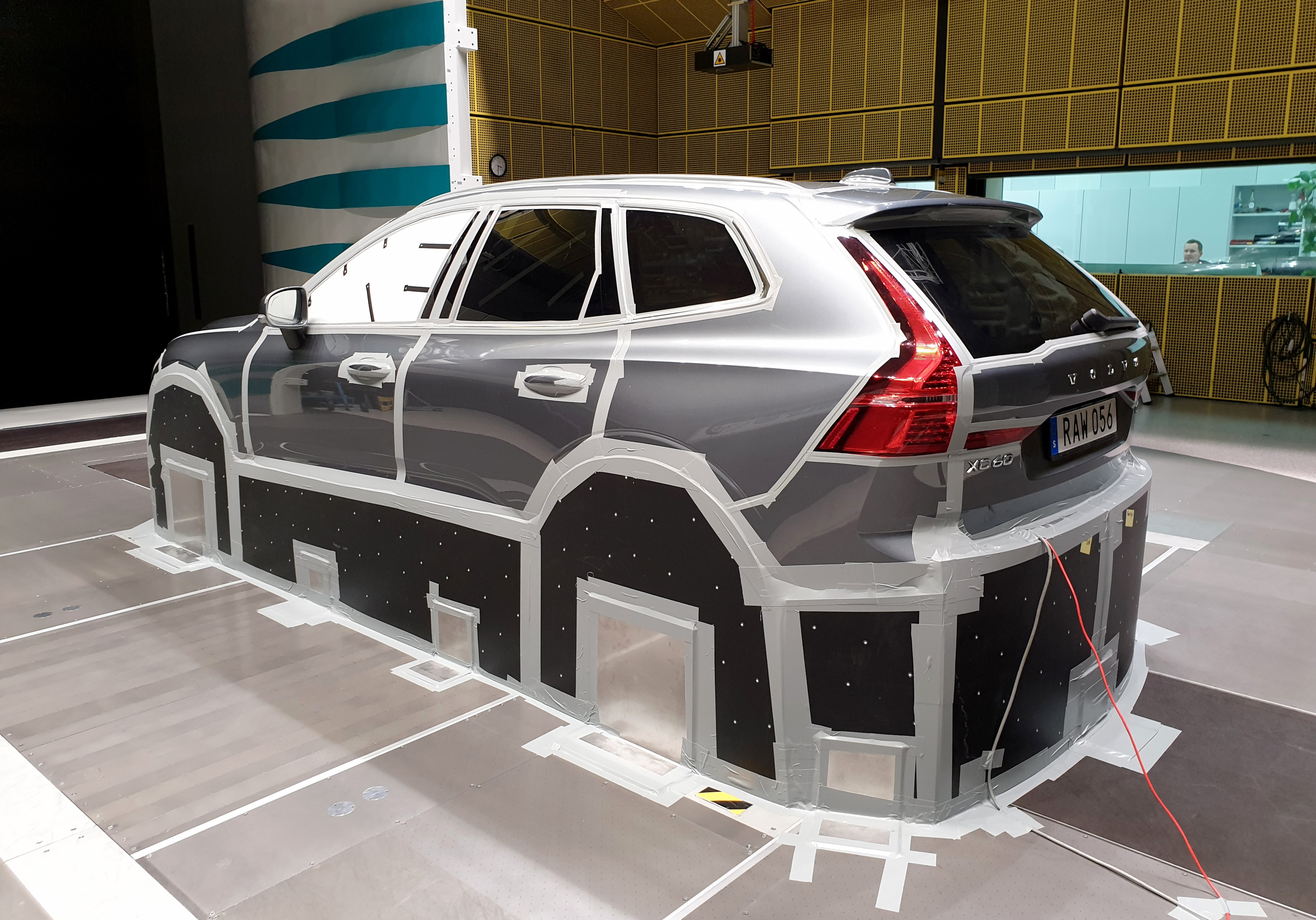
Aeroacoustics is a critical component in automotive vehicle design, certification and operation. To improve passenger comfort, we offer tailored data acquisition and specific sensor solutions.
Read moreExplore Related Resources
Webinars
Overcoming the Challenges in Measuring EV Noise
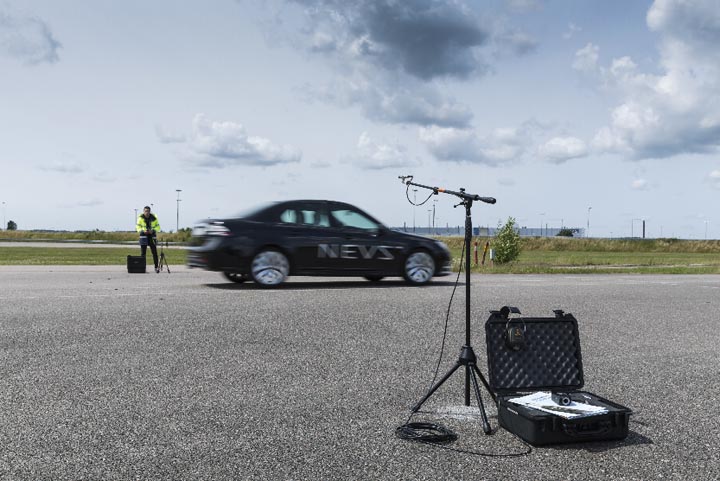
When measuring vehicle noise, a distinction is made between pass-by noise measurements and measurements inside the vehicle. The webinar will also present methods to evaluate individual components by means of a sound power measurement before they are installed in a production vehicle and to compare them against limit values.
Read more
Blog Posts
The Future of In-cabin Soundscape
The landscape of in-cabin audio is undergoing a remarkable transformation. As the automotive industry shifts from internal combustion engines to electric vehicles (EVs), the acoustic environment within vehicles is changing, too. This transition is driven not only by the technological advancements in automotive design but also by increasing consumer expectations for quieter cabins and more immersive sound experiences.
Read more