


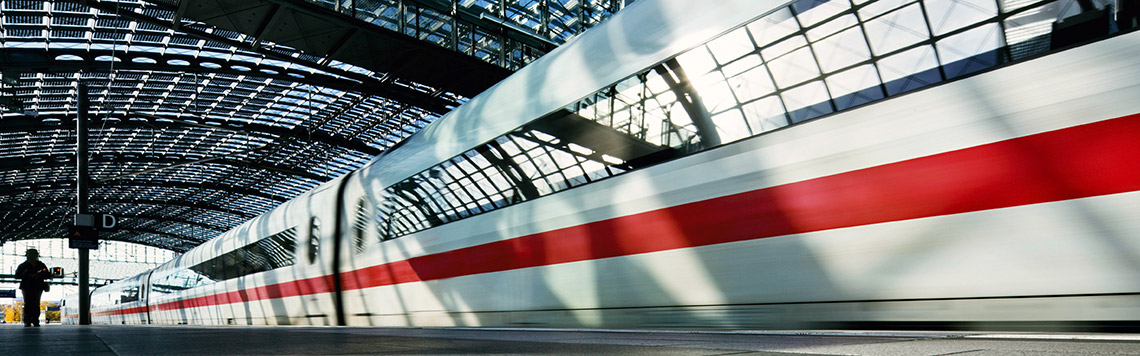
Measurement Solutions for the Special Requirements of Measuring Rail Vehicles and Rail Infrastructure
Since 1996, we have gained extensive experience in the development of measurement technology for the rail sector. Our solutions cover a wide range of applications, from high-speed trains to streetcars. Our products support the development phase and prototype testing as well as standard in-service measurements and track and infrastructure testing.
Fast and Reliable Measurement Results: Setting the Right Course with Railway-specific Measurement Technology from imc
Harsh environmental conditions with splash water, stone chipping, heat and cold as well as electromagnetic voltages make robust and powerful measurement hardware essential. imc data acquisition systems record several thousand channels synchronously and decentrally, including specific bus systems such as the MVB bus, both on the test bench and on the test track. They are networked and have powerful software for real-time data analysis and for creating analyses and reports for the user.
Our References: These Companies Trust Us




Our Expertise: Railway Test and Measurement Solutions
- Direct reading of rail vehicle bus systems
- Robust measurement technology for railway-specific loads
- Decentralized distributed measurement: effective, flexible and safe
- Fast and reliable measurement results
- Save time: Real-time calculations
- TEDS capability - automatic reading of calibration values
- Can be networked and synchronized
- One software imc STUDIO
- Application-specific extensions
- Everything from a single source

imc DAQ systems for rail vehicles and rail infrastructure in use

How imc DAQ systems increase locomotive safety with real-time data analysis
Torsional vibrations of wheelsets are a challenge in rail transportation. The torsional vibration of a wheelset - also known as rolling - reduces traction and leads to increased wear. Together with the experts from DNV-GL Maritime Advisory, imc has developed a torsional vibration limiting system (TVLS). It is characterized by its flexibility, performance and availability.

Load test on streetcar wheels
A rail vehicle wheel is exposed to various dynamic loads in real driving conditions. Determining these is a building block in the development of rail vehicles. The company Gutehoffnungshütte Radsatz GmbH (GHH-Radsatz) used a telemetry system from imc to develop models for simulating the dynamic loads on streetcar wheels.

New Wuppertal suspension railroad: commissioning measurements
The suspension railroad is considered the landmark of the North Rhine-Westphalian city of Wuppertal. Since 1901, residents and visitors have been floating through the Bergisch metropolis on this special mode of transport. Around 85,000 passengers use the suspension railroad on weekdays. The new "Generation 15" carriages were recently launched. For the commissioning measurements of the new suspension railroad, PROSE AG relied on the variety of measurement technology solutions from imc.

SBB wheel load checkpoints monitor Swiss rail traffic with imc measurement technology
SBB is developing stationary wheel load checkpoints that automatically record the key figures of a passing train in real time. We have contributed high-precision strain gauge bridge measuring amplifiers and an industrial PC to these checkpoints according to customer specifications. The system records safety-relevant load indicators such as load displacements and axle load overruns. It also detects flat spots on the wheels.
Expertise in Mobile Applications
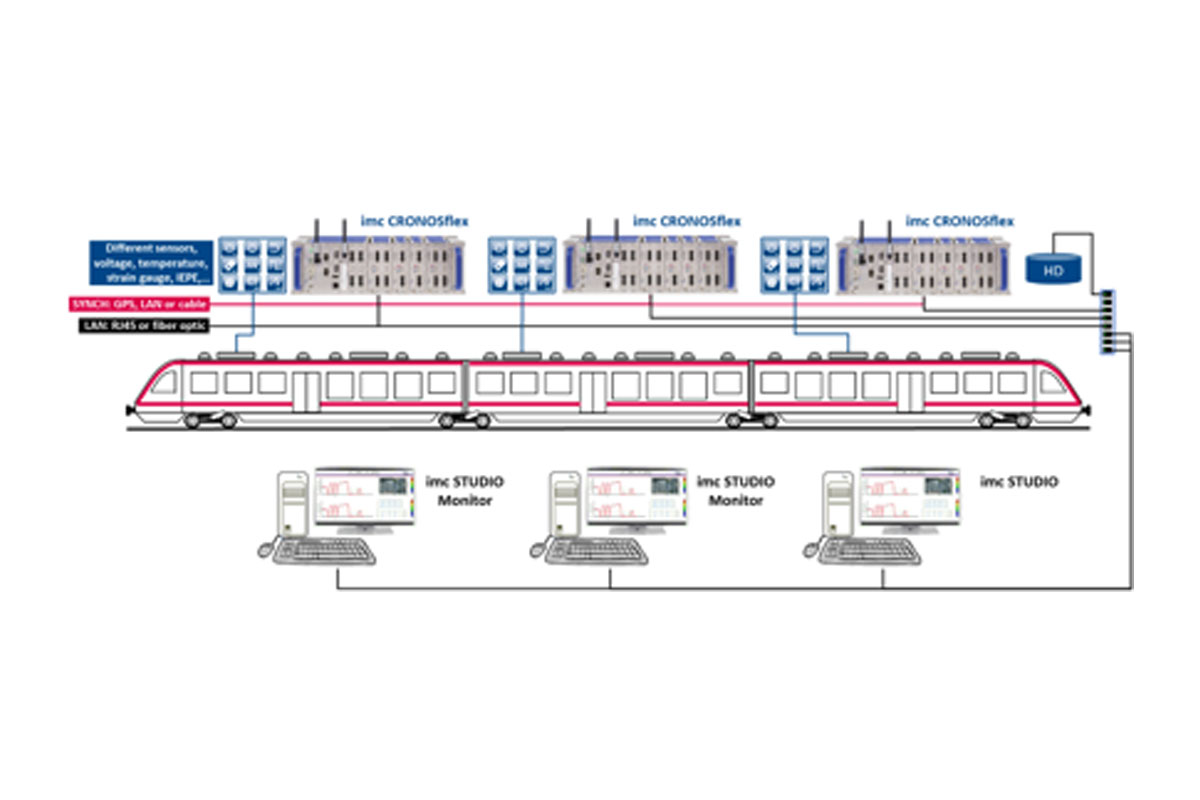
Distributed Measurement for Rail Vehicles
Modern train testing requires sensors to be installed at numerous points along the entire vehicle. Distributed measurement systems capture signals directly at the source and evaluate them synchronously – delivering precise, meaningful results without complex sensor wiring.
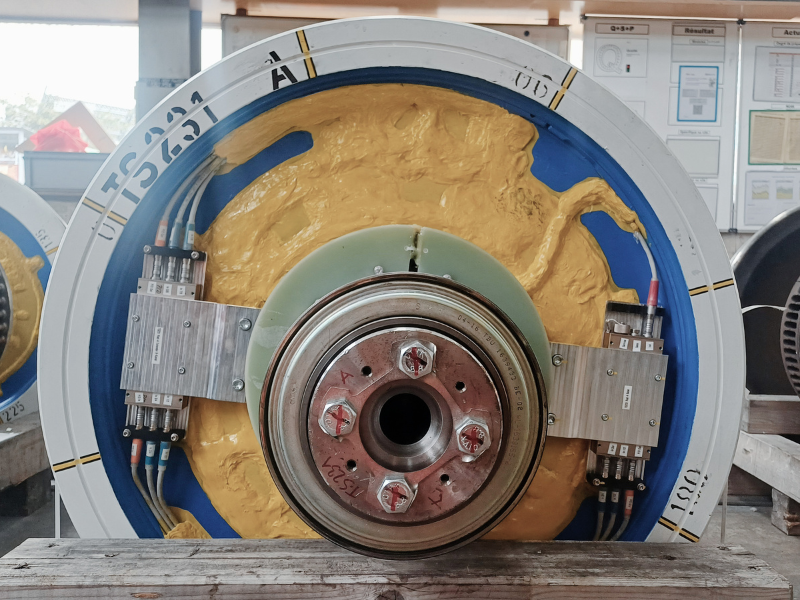
Wheel-Rail-Force-Measurements
How can wheel-rail forces be measured efficiently during rail vehicle validation? TÜV SÜD Rail uses the imc MTP-NT-XS telemetry system for reliable measurement data acquisition on instrumented wheelsets during demanding on-track tests.

Train Brake Tests
Carrying out brake tests on railroads is an essential part of safety checks and maintenance procedures. These tests ensure that the trains' braking systems function reliably and effectively under all operating conditions. The various aspects and procedures of railroad brake testing are explained in the following.

Pantograph tests
The measurement of pantographs, which are generally used on electric trains to transmit the current from overhead lines, poses several challenges. These concern both the technical aspects of the measurement and the practical and operational conditions.

Sound Emission of Rail Vehicles According to ISO 3095
Noise emissions from track-bound vehicles are an important aspect of rail traffic, affecting both the environment and the quality of life of local residents. ISO 3095 is the internationally recognized standard that regulates the measurement and evaluation of noise emissions from railroad vehicles.

Noise Measurement Inside Rail Vehicles According to ISO 3381
ISO 3381 is an international standard that regulates the measurement and evaluation of noise inside rail vehicles and defines, among other things, the arrangement of microphones. It specifies the methods to ensure that the acoustic conditions inside the vehicles meet the comfort and safety requirements.
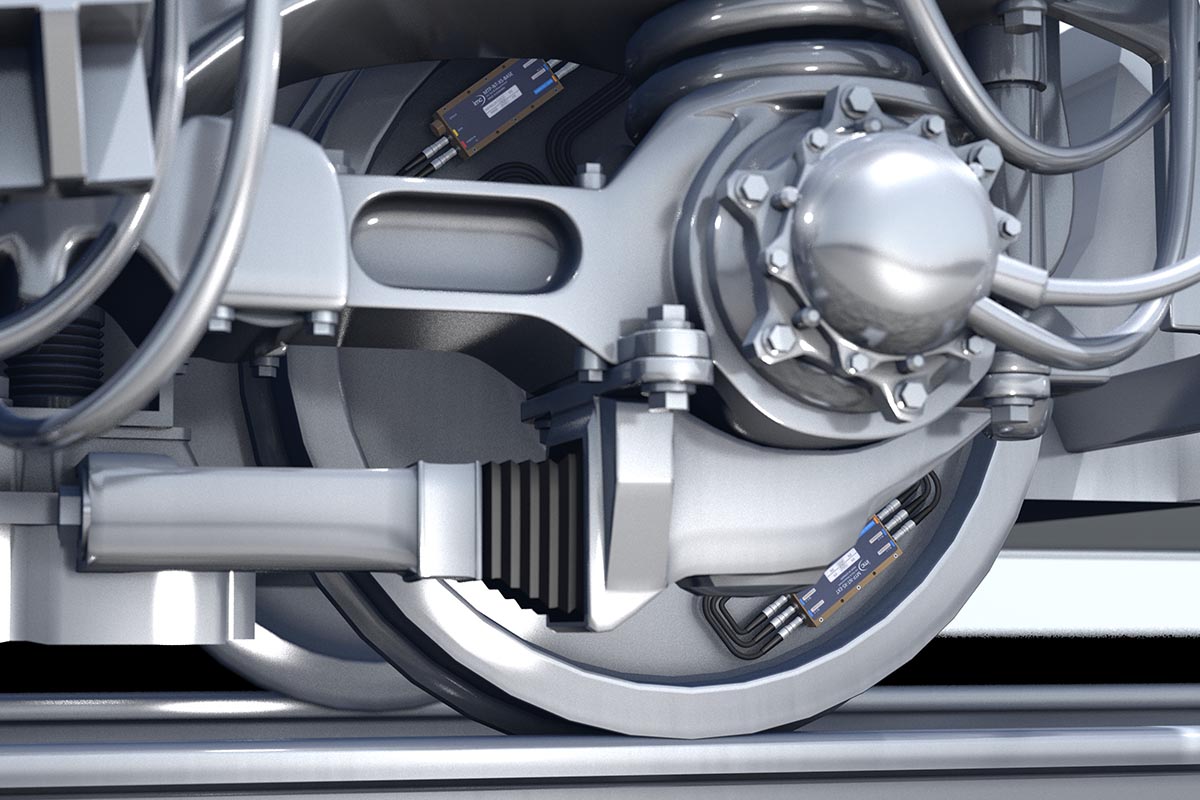
Measuring Wheel Loads on Subways & Trams
Subway and tram wheelsets are exposed to extreme dynamic forces in urban rail service. To design wheelsets that are durable, safe, and comfortable, engineers need real-world load data to get a precise understanding of these forces—especially for rubber-sprung wheelsets.

Telemetry for Wheelsets of Rail Vehicles
Testing the wheelsets of rail vehicles is of crucial importance for several reasons. These tests make a significant contribution to the safety and reliability of rail transportation by identifying potential problems at an early stage and thus preventing serious accidents.
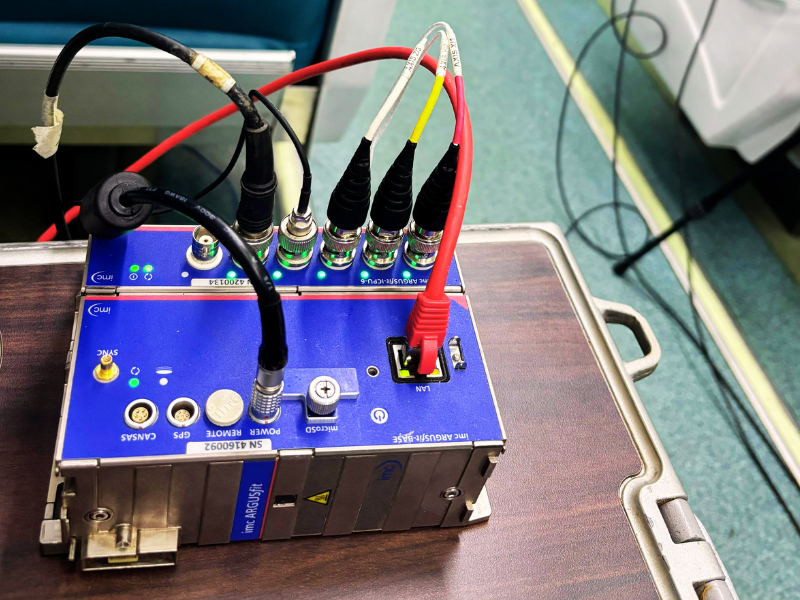
NVH Tracking for Passenger Comfort Under Dynamic Conditions
Modernizing rail transport demands rigorous testing of structural integrity and passenger comfort under real operating conditions.
Proven in real-world railway testing
“Telemetry systems used in on-track tests on railway vehicles depend on experience and close cooperation. The combination of our application expertise and imc’s manufacturer know-how creates a partnership that works — especially when fast support is needed.”
André Rohrbeck
Team Lead Instrumented Wheelset at TÜV SÜD Rail

Sie haben Fragen zu unseren mobilen Anwendungen?
Expertise in Stationary Applications
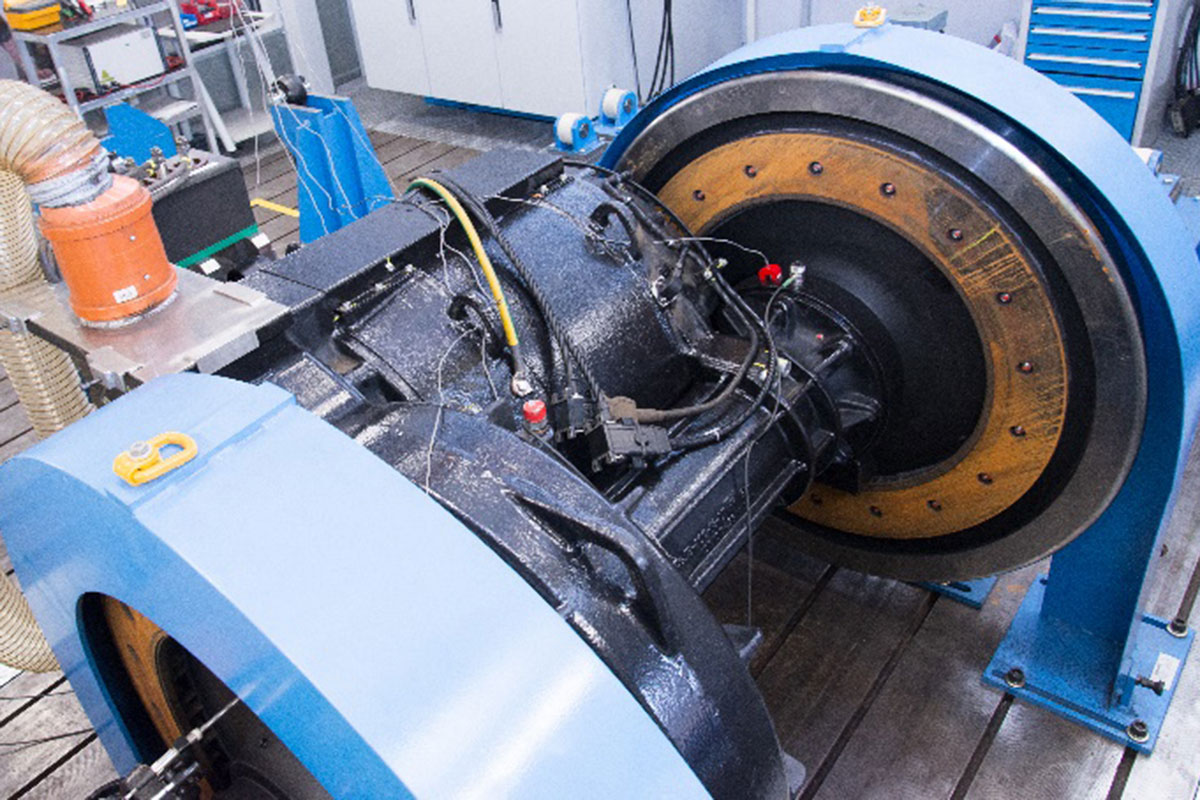
Maintenance of Bogies with Electric Drive
The maintenance and servicing of bogies with traction drive are crucial for the reliability and longevity of rail vehicles. These complex systems require specialized procedures and careful planning to ensure smooth operation and minimize downtime.

Structural Analysis of the Wagon Bodies and Derailment Test
A torsion test rig is used to test the structural integrity and rigidity of vehicle components under torsional loads. These tests are crucial to ensure that the components can withstand the operational loads and provide the required stability and safety.
Do you have questions about our stationary applications?
