


 Home
Solutions
Applications
Smart Buoy

Listen deeper. Detect faster. Complete underwater asset protection
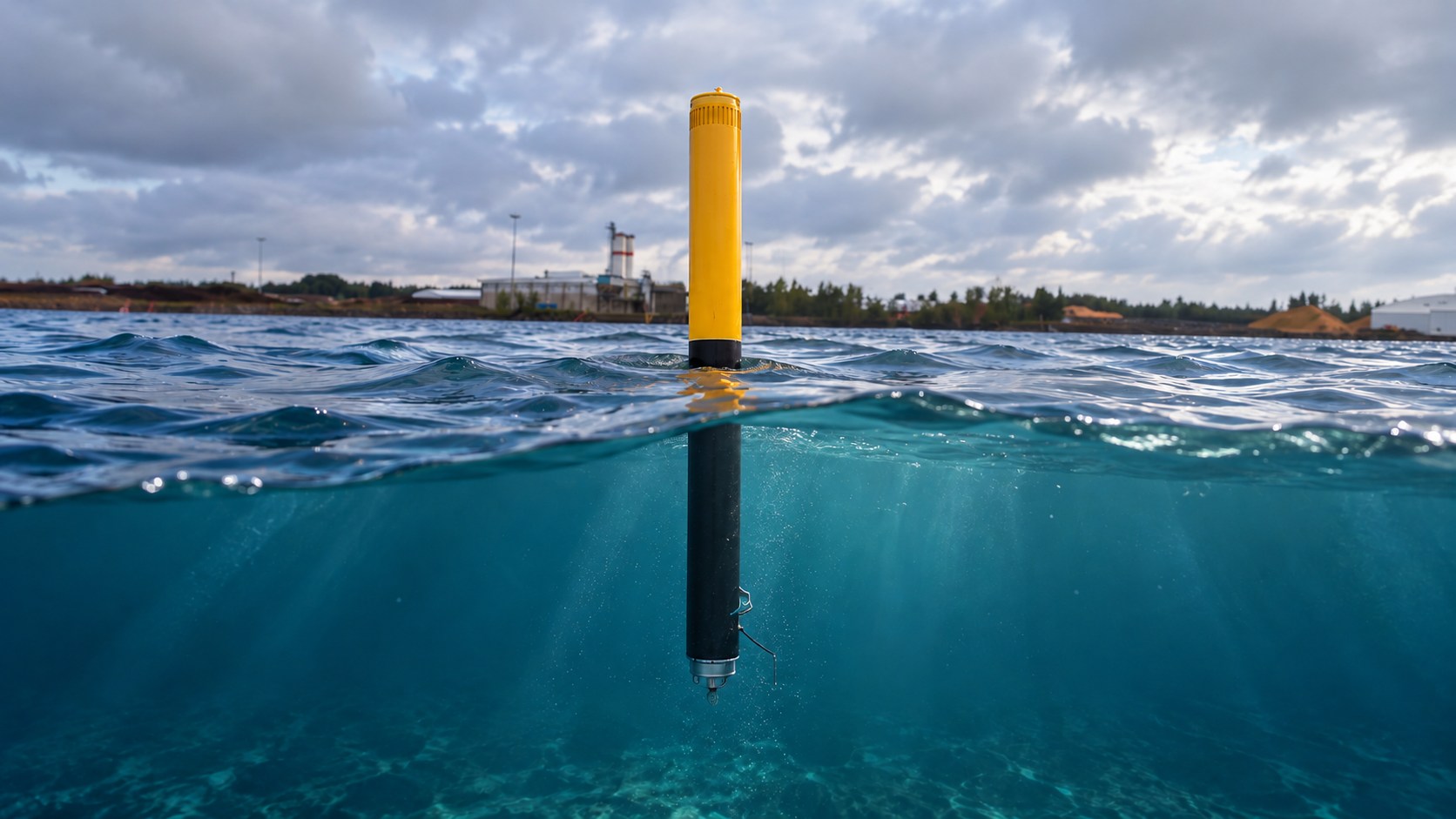
Protecting critical underwater infrastructure starts with understanding what is happening beneath the surface. The new imc Smart Buoy is an autonomous acoustic data acquisition solution designed to monitor underwater activity, capture high-resolution measurement data, and provide remote access to relevant acoustic information.
Combining hydrophone technology with imc ARGUSfit data acquisition and powerful measurement software, imc STUDIO measurement software, and FAMOS data analysis software, the Smart Buoy creates a flexible foundation for underwater surveillance and infrastructure protection.
Critical underwater infrastructure is difficult to protect as threats are hard to detect
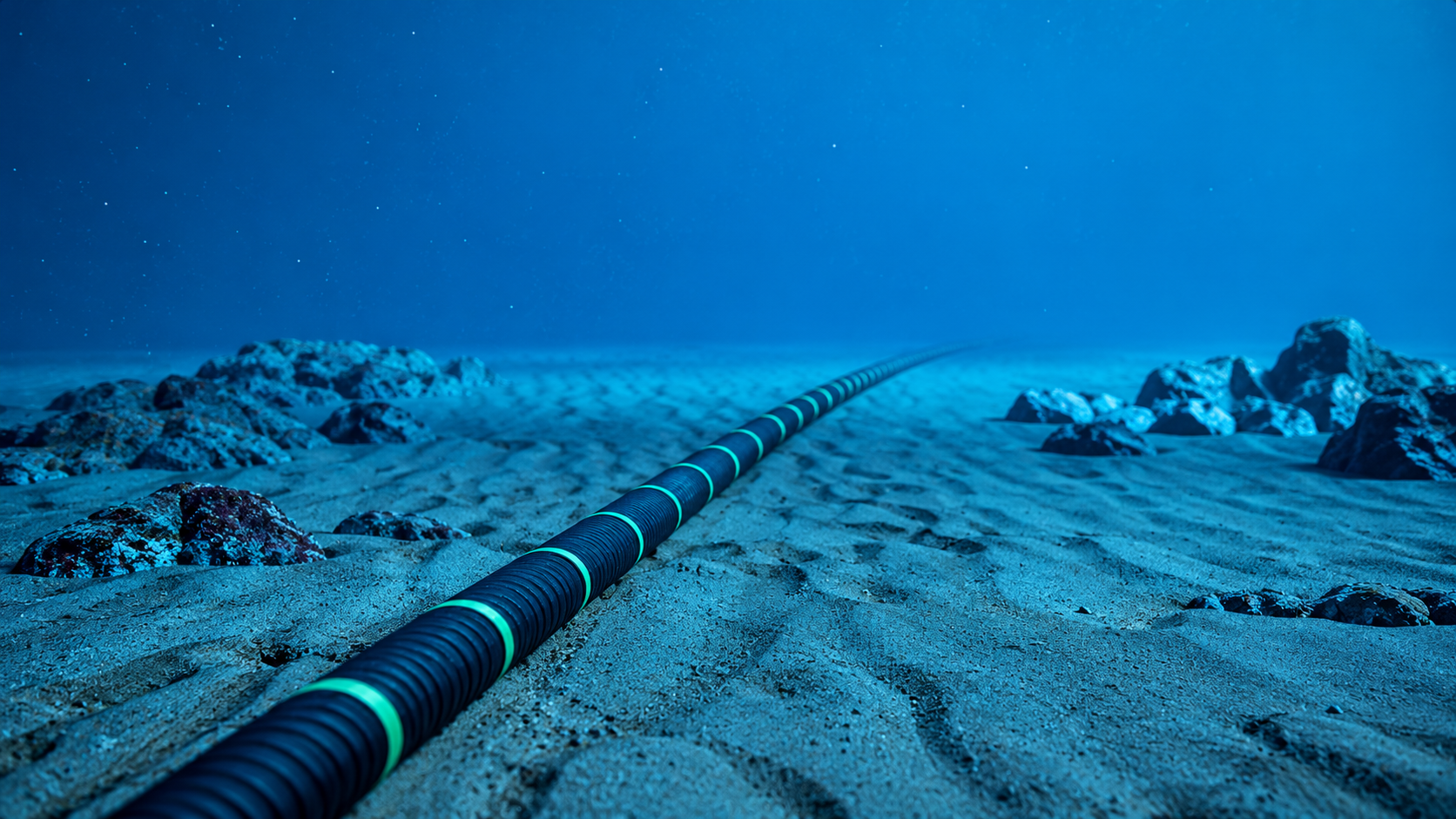
Subsea communication cables, offshore energy installations, pipelines, and port facilities are essential to modern infrastructure. Potential threats range from accidental damage caused by fishing activities to dragging anchors and deliberate interference.
Yet continuous surveillance is difficult, and traditional monitoring approaches are expensive, limited in coverage or unable to detect subtle threats.
When using underwater acoustic monitoring, engineers and maritime monitoring operators are not only challenged to capture these signals accurately but also to understand what they represent and to identify acoustic patterns within large volumes of continuously recorded measurement.
Collecting the data is only the starting point The challenge is turning acoustic signals into useful information on to identify relevant underwater activity in time.
The key challenges of underwater acoustic data acquisition
Meet the imc Smart Buoy: intelligent and autonomous acoustic monitoring beneath the surface.
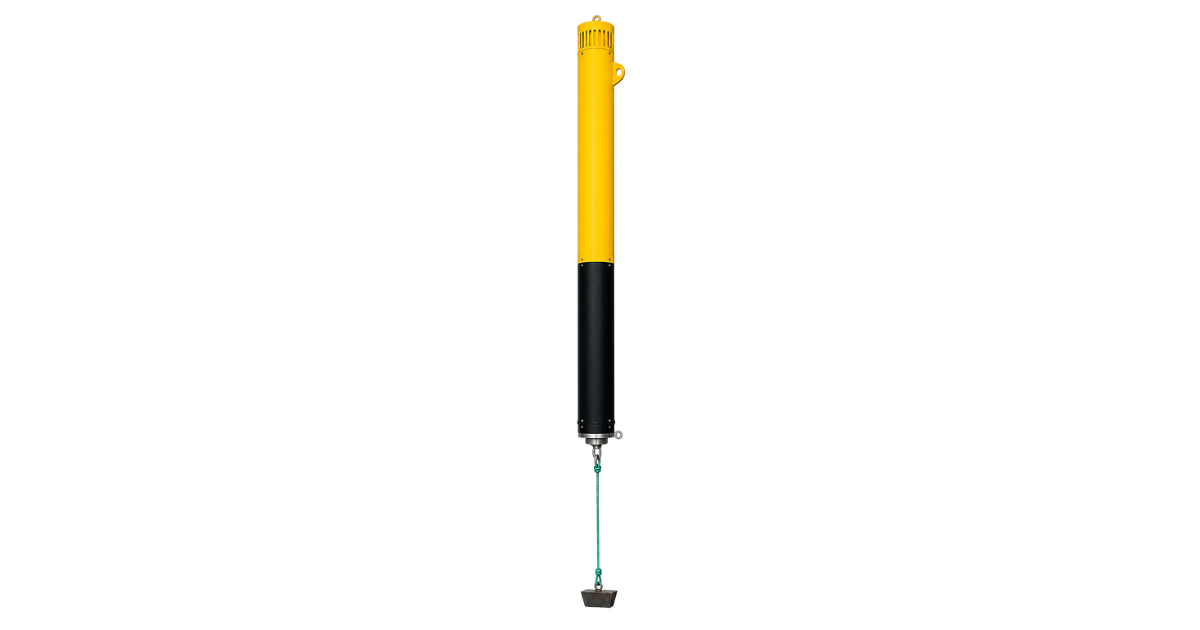
The imc Smart Buoy brings together underwater sensors, autonomous data acquisition, onboard signal processing, and remote data communication in one configurable monitoring solution.
Saltwater hydrophones capture underwater sound signals, while the imc ARGUSfit measurement platform acquires and processes the data. Relevant measurement information can be transmitted to an onshore monitoring station, where operators can visualize and evaluate underwater acoustic activity.
The concept supports both individual monitoring locations and future networks of interconnected buoys.
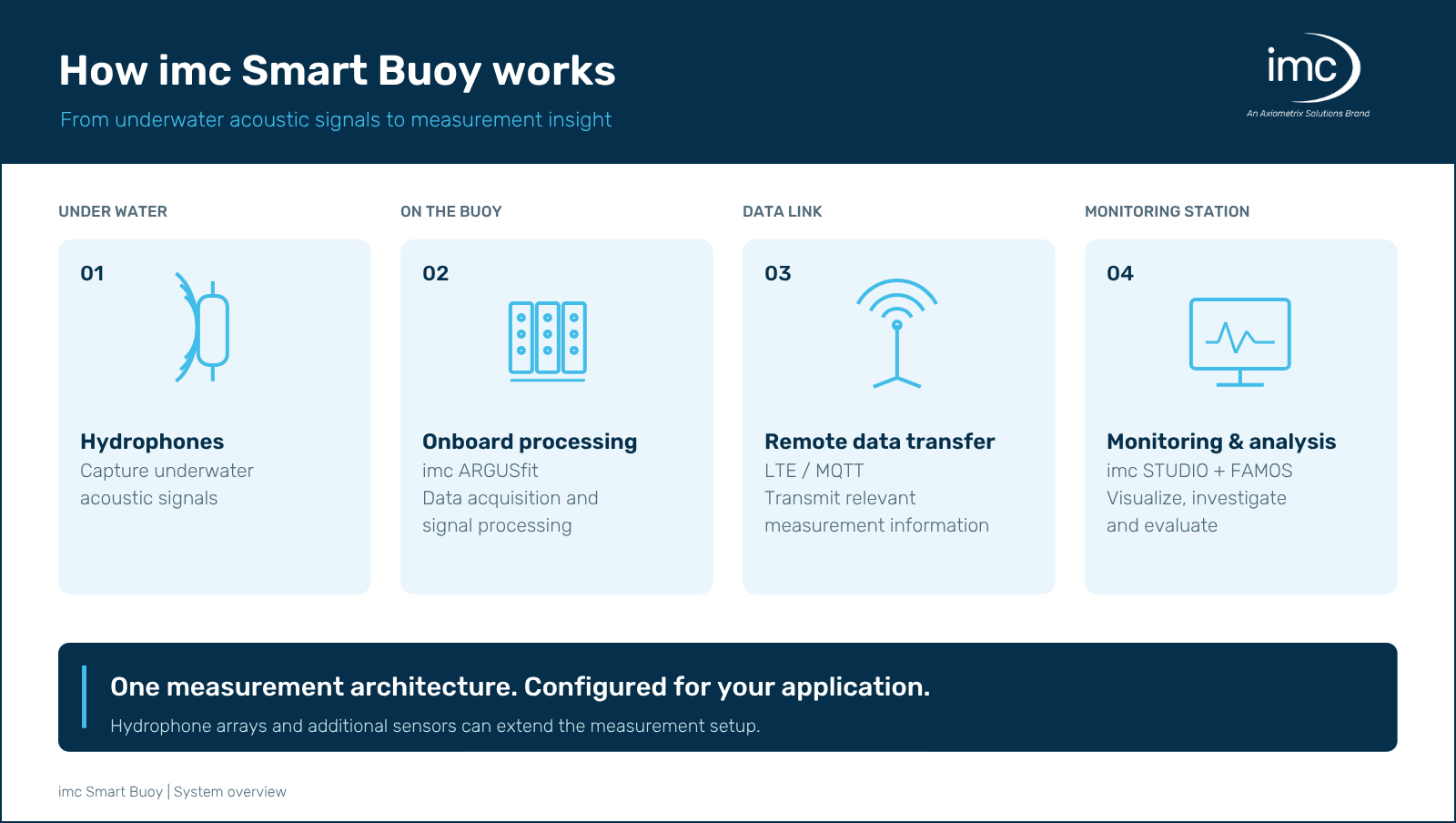
How the imc Smart Buoy connects underwater sensing with real-time monitoring
imc Smart Buoy system overview: Underwater acoustic signals are captured by hydrophones, processed onboard the buoy, and transmitted to a remote monitoring station for analysis.
Designed for a range of maritime monitoring applications

Critical underwater infrastructure protection
Monitor acoustic activity in the vicinity of subsea cables, offshore energy installations, and underwater pipelines to support the early identification of potentially relevant events.
Naval and maritime security
Establish an acoustic monitoring capability for selected coastal zones, port approaches, and other areas of operational interest.

Offshore energy and industrial facilities
Complement existing monitoring infrastructure with continuous underwater acoustic measurements around offshore installations.
Research, development, and sensor integration
Capture high-resolution underwater measurement data, evaluate acoustic signatures, and develop customized monitoring and classification workflows.
How does the imc Smart Buoy work?
One or more hydrophones detect acoustic signals in the surrounding water. The system acquires measurement data for subsequent processing and analysis.
The imc ARGUSfit data acquisition system enables onboard measurement and signal processing. Selected measurement values and calculated acoustic information can be prepared for transmission without continuously transferring all high-resolution raw data.
Communication equipment connects the buoy with a remote monitoring station, where relevant live measurement information is displayed on a dashboard. Processed measurement data is sent via LTE and the MQTT protocol, without requiring a permanent direct connection with the imc STUDIO measurement software that runs on the monitoring station.
On the monitoring station, measurement data is visualized and analyzed using imc software imc STUDIO and FAMOS. High-resolution recordings enable further detailed signal investigations and provide a basis for the development of acoustic detection and classification methods.
With 10 W power consumption, independent of data usage, the imc Smart Buoy supports continous, uninterrupted measurement operation over a long time.
The system concept allows extensions with additional sensors, such as temperature, pressure, and other environmental or operational sensors, depending on the project requirements.
The Smart Buoy concept can be extended into a network of synchronized smart buoys, working as additional measurement stations. Multiple monitoring points could enable wider-area acoustic surveillance and support future event localization methods.
The key characteristics of the imc Smart Buoy components - the saltwater proven hydrophone and the imc ARGUSfit data acquisition system- are scalability and flexibility. The hydrophone can also be supplied as a hydrophone array with multiple hydrophones,while additional sensors or buoy platforms can be connected. The modular design of the imc ARGUSfit allows for a distributed measurement setup and facilitates expansion with additional measurement amplifiers. Therefore, all imc Smart Buoy components can also be applied in other DAQ solutions.
The Smart Buoy concept has already been evaluated using a pilot buoy equipped with an imc ARGUSfit data acquisition system and underwater acoustic sensors. This test verified the technical feasibility of an ARGUSfit-based autonomous acoustic measurement buoy, including the aspects of continuous underwater measurement, autonomous operation, onboard processing, and remote data transmission.
One integrated system. Multiple measurement capabilities.
Five reasons to consider the imc Smart Buoy
More than an acoustic sensor: A complete measurement and analysis architecture
Develop a monitoring solution around your requirements
Discuss your Smart Buoy use case.
Every underwater monitoring environment presents different challenges. Water depth, acoustic background noise, infrastructure layout, monitoring objectives, and available communications can all influence the final design.
Rather than approaching every application with a fixed sensor package, imc supports the development of a measurement architecture tailored to the project's requirements.
Whether the objective is a single monitoring point, an evaluation campaign, or a future distributed acoustic surveillance network, the first step is understanding the measurement task.